Choosing between a traditional mixer tap with two handles and a modern single-lever design is one of the most common decisions homeowners face. Both work well. Both look beautiful in the right context. The question is which suits your cooking style, your kitchen design, and your household's needs.
How Mixer Taps Work
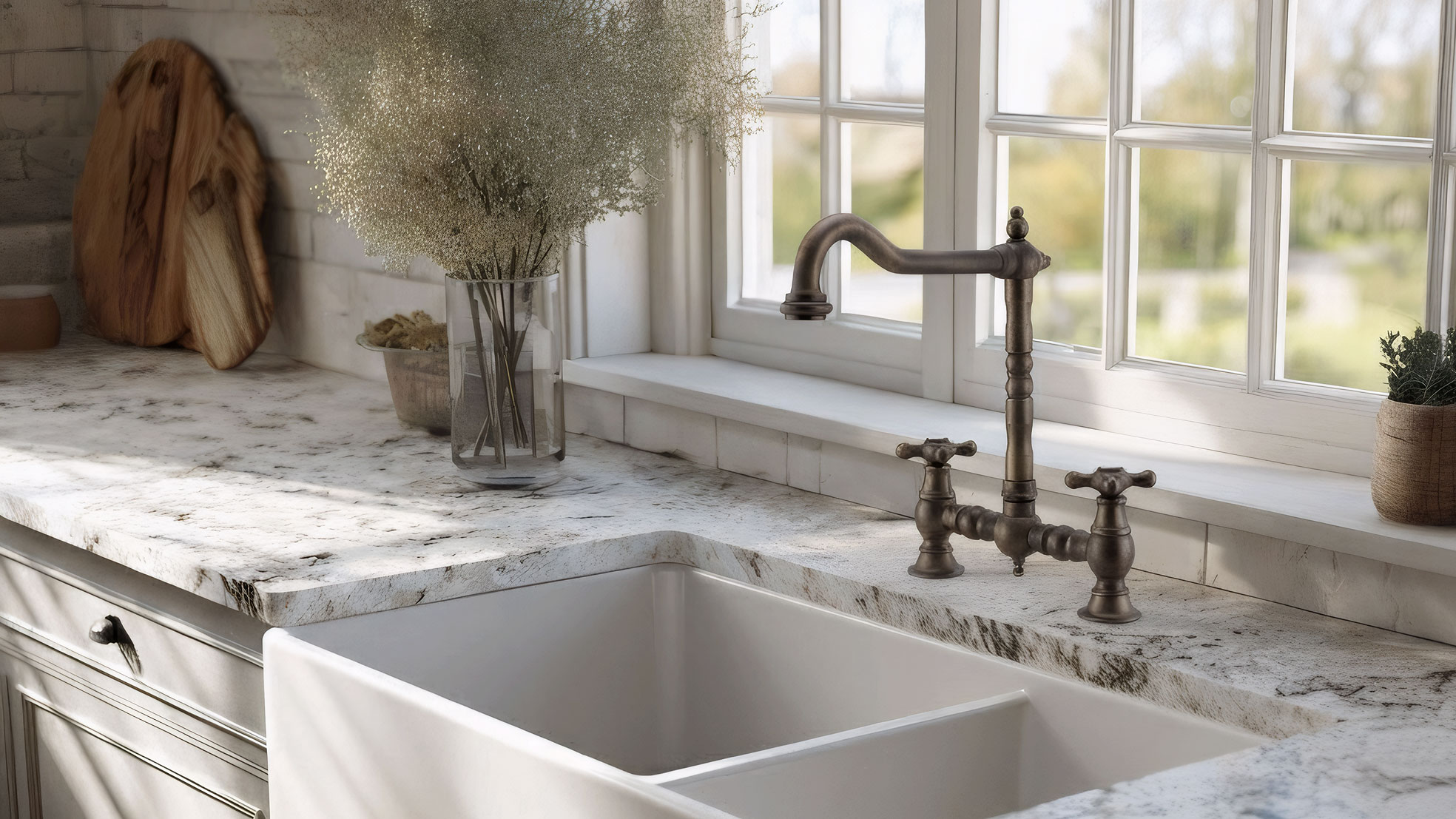
Mixer taps feature two separate handles, one controlling hot water and one controlling cold. Adjusting temperature requires operating both handles to blend the flow. The design has remained largely unchanged for over a century because it works reliably and offers certain advantages that newer designs don't replicate.
Temperature precision is the primary functional benefit. With two independent controls, you can set exact temperatures and maintain them consistently. Once you find the right balance, the handles stay in position until you change them. This matters for tasks requiring specific temperatures, like rinsing delicate produce or achieving the right warmth for bread dough.
The mechanical simplicity of mixer taps contributes to longevity. Each handle operates independently with its own valve mechanism. If one side develops issues, repair typically involves that component alone rather than the entire tap assembly.
Aesthetically, mixer taps carry historical associations that suit certain kitchen styles. The symmetrical dual-handle design evokes traditional craftsmanship and works beautifully in farmhouse, heritage, and classic kitchen designs. The visual weight of two handles creates presence that single-lever designs intentionally avoid.
How Single-Lever Taps Work
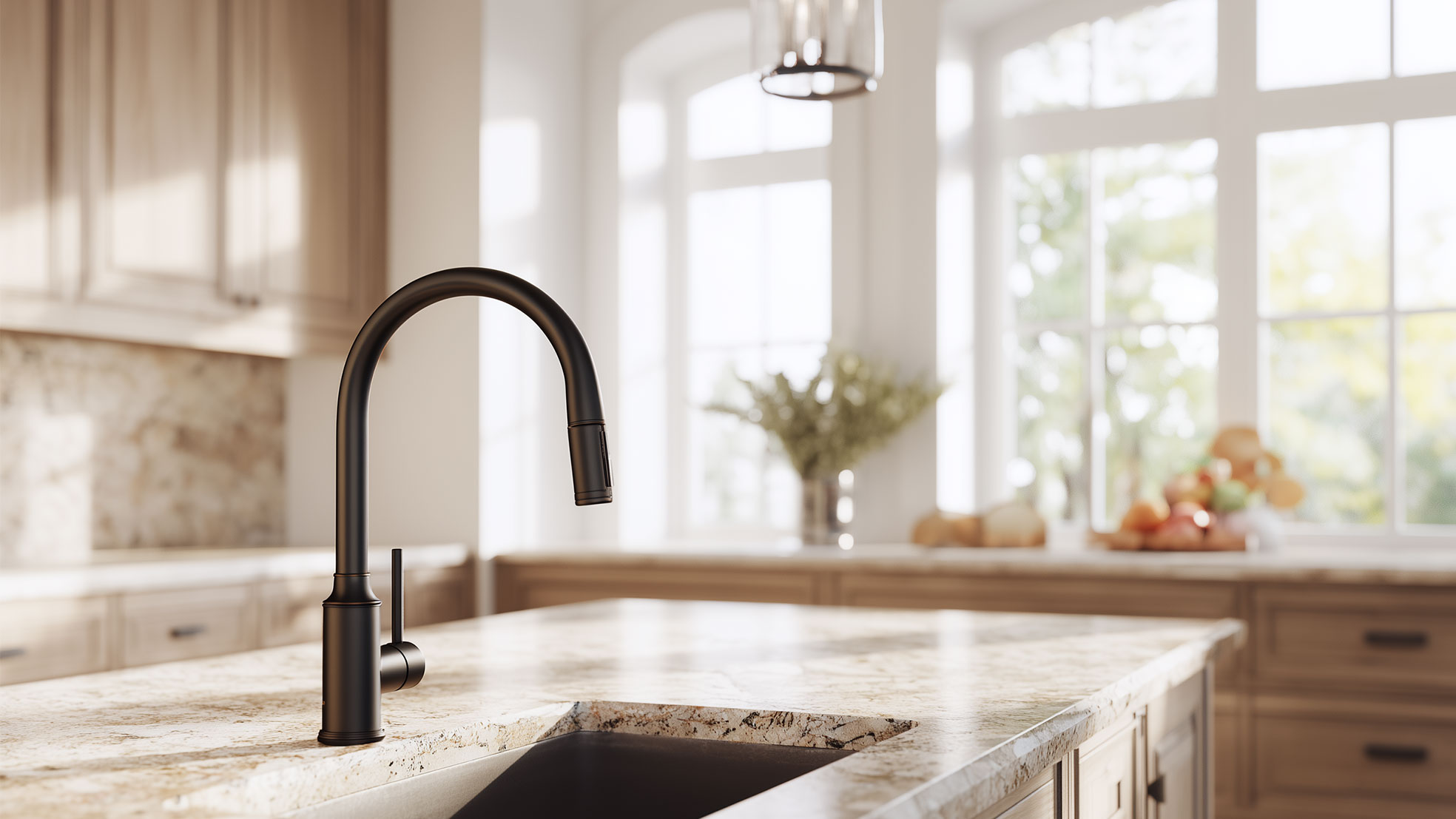
Single-lever taps consolidate all control into one handle. Moving the lever up and down adjusts flow volume. Moving it left and right adjusts temperature from cold through hot. The entire operation happens with one hand in one motion.
Speed and convenience define the single-lever experience. When your hands are covered in flour, raw meat, or soap, operating one lever with a wrist or forearm is far easier than manipulating two handles. For busy cooking sessions with constant movement between tasks, this efficiency compounds into meaningful time and frustration savings.
Modern single-lever taps often incorporate features that mixer designs rarely include. Pull-out spray heads, swivel spouts with extended reach, and pause functions for the spray appear commonly in single-lever configurations. These additions enhance functionality for serious cooking and thorough cleaning.
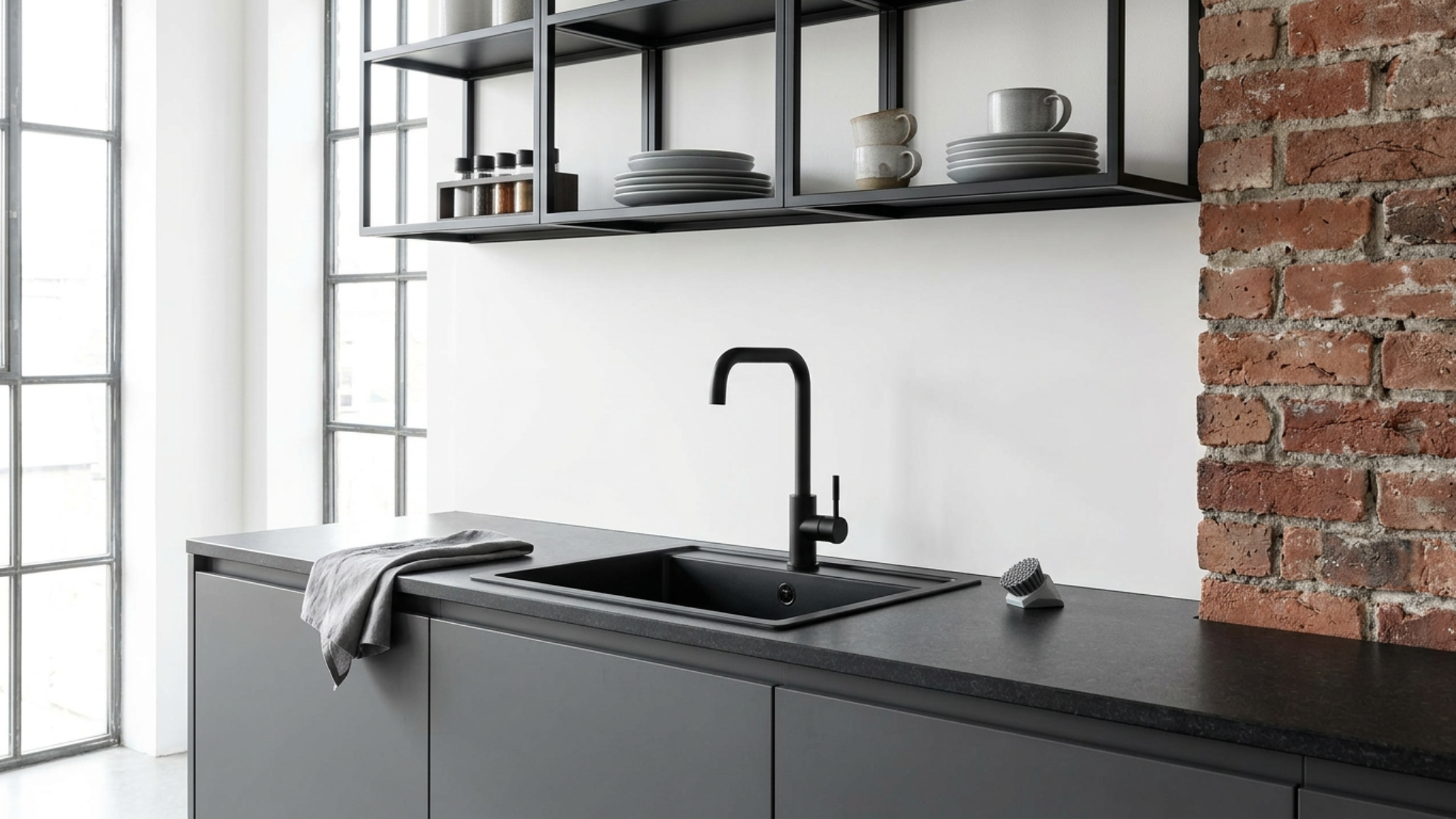
The streamlined appearance suits contemporary kitchen aesthetics. A single lever creates clean visual lines without the symmetrical presence of dual handles. In minimalist kitchens where simplicity is the design principle, single-lever taps integrate seamlessly.
Daily Cooking Considerations
Your actual kitchen habits should drive this decision more than abstract preferences.
Consider how you cook. Fast-paced cooking with multiple pots, frequent hand washing between ingredients, and constant movement favours single-lever operation. The ability to bump the lever on with an elbow while your hands hold a colander full of pasta matters in these moments.
Slower, more deliberate cooking where you're less rushed creates space for mixer tap operation. If you typically have clean, dry hands when adjusting water, the two-handle approach presents no inconvenience.
Think about who uses the kitchen. Children find single levers intuitive and easy to operate. Elderly family members or anyone with reduced hand strength or dexterity often manages better with a single lever than with two handles requiring grip and rotation.
Households where multiple people cook with different styles might favour single-lever versatility. The tap accommodates various approaches without requiring anyone to adapt to unfamiliar controls.
Temperature Control Comparison
Both tap types deliver temperature control, but differently.
Mixer taps offer set-and-forget precision. Adjust both handles once, find your preferred temperature, and leave them. The temperature remains consistent until you deliberately change it. For tasks requiring sustained specific temperatures, this stability helps.
Single-lever taps require more active management. The temperature changes as you move the lever, and finding a precise setting demands more attention. However, for most kitchen tasks, approximate temperature suffices. You need hot water or cold water or something in between. Exact degrees rarely matter.
Thermostatic technology has begun appearing in kitchen taps, though it remains more common in bathroom applications. These systems maintain set temperatures regardless of pressure changes elsewhere in the house. If precise temperature matters greatly to your cooking, thermostatic options exist in both mixer and single-lever formats.
Installation and Practical Factors
Some practical considerations affect which option works in your specific situation.
Tap hole requirements differ. Mixer taps traditionally required three holes: one for the spout and one for each handle. Many modern mixers consolidate into single-hole designs, but traditional configurations still exist. Single-lever taps almost always use single-hole mounting.
Existing sink or countertop holes may dictate your options in renovation situations. Covering unused holes requires deck plates or replacement of the surface entirely.
Under-sink space requirements are similar for both types, though complex single-lever mechanisms with pull-out sprays may need slightly more room for hose routing.
Water pressure affects both types equally for basic function. Pull-out spray features on single-lever taps may require minimum pressure levels to operate effectively.
Maintenance and Longevity
Both tap types deliver excellent longevity when built with quality materials.
Mixer tap repairs often target individual components. A dripping hot water side might need only a washer or cartridge replacement on that handle. The independent systems simplify diagnosis and repair.
Single-lever tap repairs typically involve the central cartridge that controls both flow and temperature. Quality cartridges last many years, but replacement means replacing the entire control mechanism rather than isolated parts.
Neither type is inherently more reliable. Quality of construction matters far more than design type. Premium taps of either configuration outlast budget alternatives of the other.
Cleaning differs slightly. Mixer taps have more surfaces and crevices around dual handles where grime can accumulate. Single-lever taps offer simpler profiles with fewer places for buildup. Neither difference is dramatic with regular cleaning.
Design and Style Alignment
Your kitchen's aesthetic direction suggests which tap type fits naturally.
Traditional, farmhouse, country, and heritage kitchens typically suit mixer taps. The dual-handle design echoes historical fixtures and carries visual weight that matches substantial cabinetry and classic details. Bridge-style mixer taps particularly reinforce traditional character.
Contemporary, minimalist, modern, and transitional kitchens often favour single-lever designs. The streamlined profile and simplified form align with design philosophies that reduce visual complexity. The emphasis shifts from the tap as decorative element to the tap as functional tool.
Industrial kitchens can work either direction. Professional-style single-lever taps with spring necks and spray heads suit commercial-inspired designs. Simple mixer taps in utilitarian finishes work equally well.
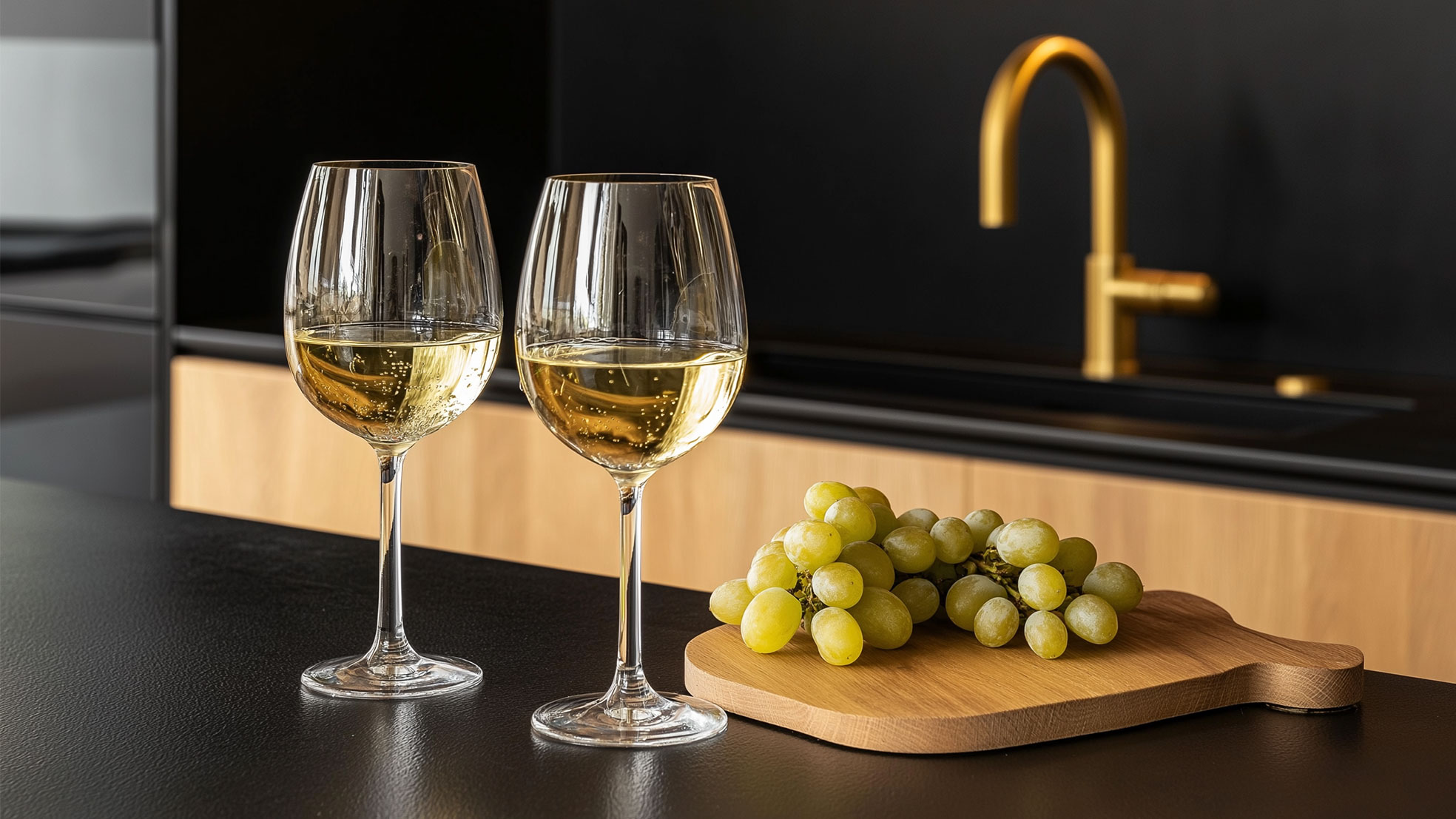
Finish availability is comparable across both types. Chrome, brushed nickel, matte black, brass, and gold options exist for mixer and single-lever taps alike. Finish choice operates independently of control type.
Making Your Decision
Several questions clarify which type suits your situation.
How do you actually cook? Busy, hands-full cooking favours single-lever convenience. Deliberate, clean-handed cooking accommodates either option.
What is your kitchen's design direction? Traditional aesthetics suggest mixer taps. Contemporary aesthetics suggest single-lever designs. Transitional kitchens work with either.
Who uses the kitchen? Varied users with different abilities and preferences often find single-lever operation more universally accessible.
What features matter to you? Pull-out sprays and similar functions appear more commonly in single-lever formats. If these features appeal, that direction offers more options.
What does your sink configuration allow? Existing holes may limit or expand your options depending on what's already there.
Mixer and single-lever taps both deliver water reliably and attractively. The choice between them reflects your cooking habits, your design preferences, and your household's practical needs rather than any objective superiority of one type over the other.
Mixer taps offer temperature precision, traditional aesthetics, and component-level serviceability. They suit deliberate cooks in kitchens that celebrate heritage and craftsmanship.
Single-lever taps offer operational speed, contemporary styling, and feature-rich options. They suit busy cooks in kitchens that prioritise efficiency and clean design.
The best tap is the one that feels natural in your hand and looks right in your kitchen. Everything else follows from that alignment between tool and user.