Understanding when to use mild, natural methods and when stronger intervention might be justified is the key to maintaining a fresh kitchen while protecting the materials you've invested in.
The Case for Natural Methods
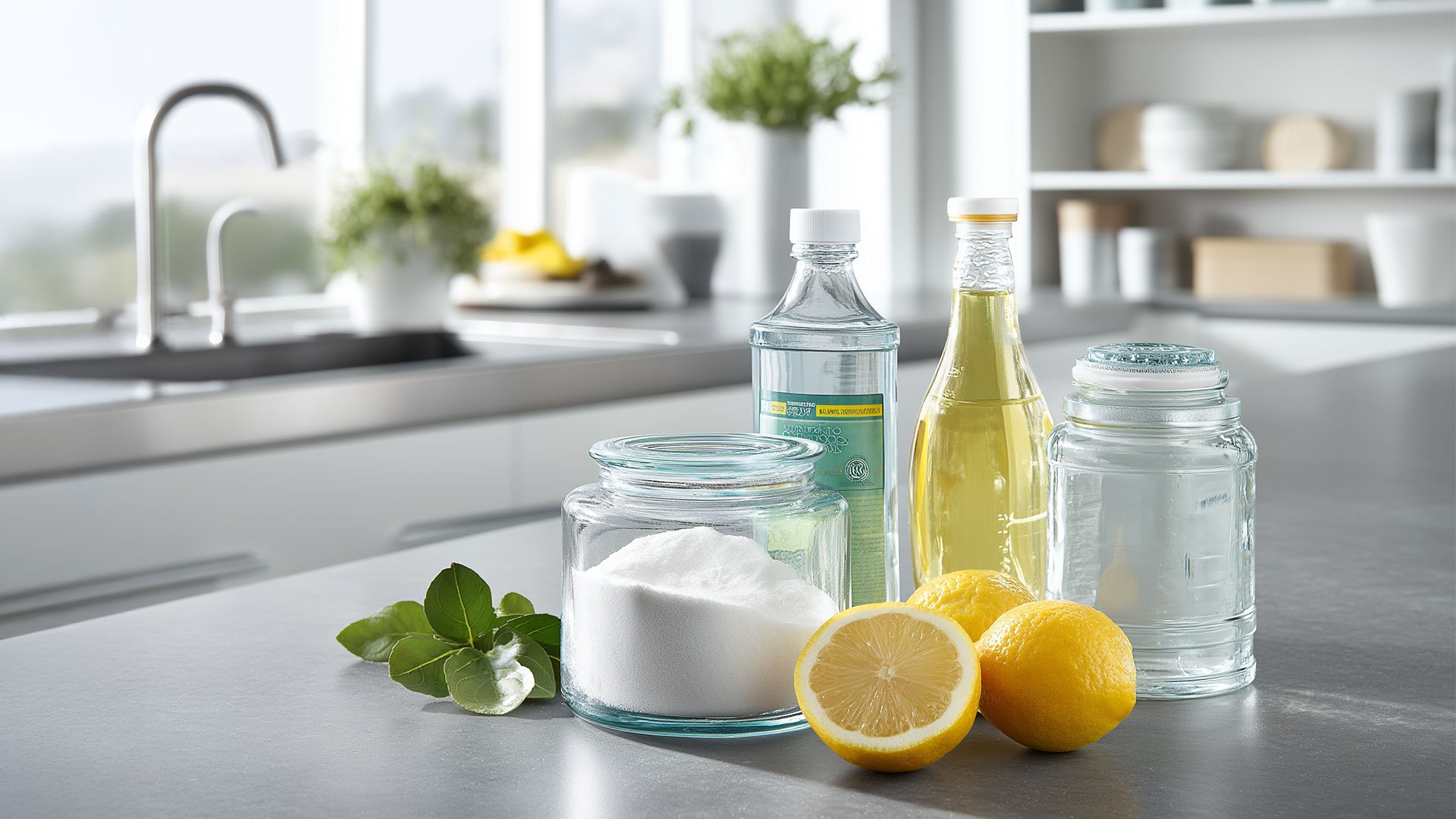
Natural solutions have earned their reputation through generations of reliable performance. Baking soda, vinegar, boiling water, and citrus peels aren't just folk remedies. They're genuinely effective cleaning agents that work through well-understood chemistry.
Baking soda is a mild abrasive and natural deodoriser. Its alkaline properties neutralise acidic residues from food, while its granular texture lifts surface deposits without scratching. It absorbs odours rather than masking them, pulling odour-causing compounds out of the environment entirely.
Vinegar provides acidity that dissolves grease, soap scum, and mineral deposits. When combined with baking soda, the fizzing reaction creates mechanical action that loosens debris in drains and overflow channels. Vinegar evaporates cleanly, leaving no residue behind.
Boiling water melts grease deposits and flushes them through the drain system. Regular use prevents the gradual accumulation that leads to blockages and the odours that accompany them.
These methods are ideal for routine maintenance and prevention. They keep sinks fresh, address minor buildup before it becomes problematic, and do all of this without any risk to your sink's finish or the seals in your plumbing. For well-designed sinks with smooth overflows and detachable strainers, natural methods are frequently all you need.
The environmental benefits matter too. Natural cleaners don't introduce harsh chemicals into the water system, don't require special disposal, and don't fill your kitchen with fumes. They align with a philosophy of care that respects both your home and the broader environment.
When Chemical Cleaners Become Necessary
Sometimes natural remedies aren't enough. Certain situations call for stronger intervention, and recognising these scenarios helps you respond appropriately without over-relying on harsh products.
Persistent odours that survive natural treatment suggest the problem lies deeper than surface residue. If you've cleaned thoroughly with baking soda and vinegar, flushed with boiling water, and the smell returns within days, something in the drain system may require more aggressive action.
Slow drainage accompanied by odour indicates partial blockage. Organic matter trapped in the P-trap or further down the pipes is decomposing, and the restricted water flow isn't clearing it. While a plunger or drain snake might solve the mechanical problem, chemical cleaners can dissolve organic buildup that physical methods can't reach.
Grease accumulation in pipes presents a particular challenge. Cooking fats coat the inside of drain pipes, hardening over time and trapping food particles that decompose. Natural methods help prevent this buildup but struggle to clear established deposits. Enzyme-based or caustic cleaners may be necessary for severe cases.
Long-neglected drains sometimes need a reset. If you've moved into a home with existing odour problems or a kitchen that hasn't been properly maintained, starting fresh with a chemical treatment can establish a clean baseline for natural maintenance going forward.
In these situations, chemical cleaners serve a legitimate purpose. They're tools for specific problems, not everyday maintenance products.
The Risks of Chemical Cleaners
Chemical drain cleaners are formulated for power, not protection. Understanding their risks helps you use them appropriately and avoid unnecessary damage.
Surface damage is a real concern. Many chemical cleaners contain caustic agents that can dull finishes, etch surfaces, and cause discolouration. Splashing during use or residue left after rinsing can affect the visible surfaces of your sink, not just the drain you're treating.
Seal and gasket degradation happens with repeated exposure. The rubber and silicone components in your plumbing aren't designed to withstand regular contact with harsh chemicals. Over time, cleaners can weaken these seals, leading to leaks that are far more problematic than the original odour.
Pipe damage is possible with older plumbing systems. Caustic chemicals generate heat as they work, and in combination with their corrosive properties, they can stress pipes, joints, and fittings. This is especially concerning in homes with older metal pipes or PVC that may already be compromised.
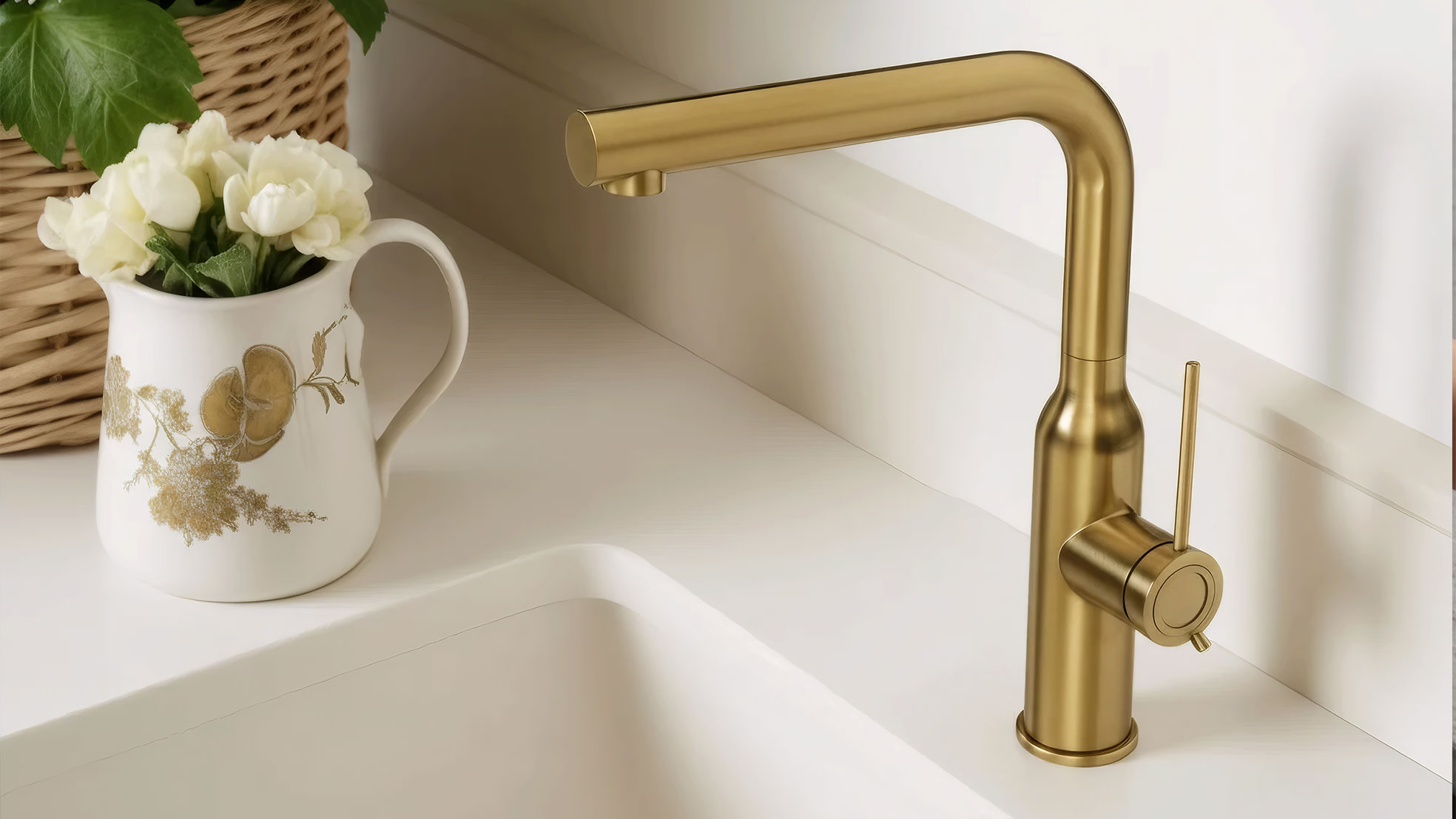
Finish damage on fixtures occurs when chemicals contact taps, strainers, and decorative elements. Brushed gold, brass, copper, and PVD-coated finishes are particularly vulnerable. What removes a drain odour can simultaneously ruin a fixture that costs hundreds to replace.
Environmental impact extends beyond your kitchen. Chemical cleaners enter the water system, affecting treatment facilities and potentially reaching natural waterways. Their manufacture and disposal carry environmental costs that natural alternatives don't.
These risks don't mean chemical cleaners should never be used. They mean that usage should be thoughtful, targeted, and occasional rather than routine.
Material-Specific Considerations
Different sink materials respond differently to chemical cleaners. Knowing what your sink can tolerate helps you make informed decisions.
Stainless steel generally tolerates occasional chemical cleaner use without immediate damage. However, frequent exposure can dull the finish, cause discolouration, and affect the protective oxide layer that gives stainless steel its corrosion resistance. Always rinse thoroughly after use and avoid products containing bleach or chlorine. For routine odour prevention, natural methods are always preferable.
Ceramic and porcelain sinks handle occasional chemical use, but the glaze that protects these surfaces can weaken over time with exposure to harsh acids or alkaline agents. Once the glaze is compromised, the underlying material becomes vulnerable to staining and bacterial colonisation. Use chemical cleaners sparingly and never as a regular maintenance product.
Granite and quartz composites vary in their tolerance depending on the specific formulation. Some chemical cleaners are safe, but many contain agents that cause fading, dulling, or surface roughness. Check product labels carefully, test in an inconspicuous area, and use sparingly. When in doubt, stick to natural methods.
Natural stone sinks made from marble, limestone, or soapstone should never contact chemical drain cleaners. These porous materials absorb chemicals, leading to etching, staining, and permanent damage that cannot be reversed. For natural stone, natural cleaning methods are the only appropriate choice.
Acrylic and plastic sinks react poorly to chemical cleaners. The solvents and caustic agents in these products can soften the material, cause warping, or create permanent discolouration. Gentle, natural cleaners are essential for these surfaces.
Specialty finishes including brushed gold, brass, copper, and PVD coatings require extra caution. Chemical cleaners can strip protective coatings, cause tarnishing, or dull surfaces that were designed to maintain their appearance for years. These finishes should only ever be cleaned with mild soap and water. If you must use a chemical drain cleaner, take extreme care to keep it contained within the drain opening and rinse the surrounding surfaces immediately.
A Balanced Approach
The most effective strategy uses both natural and chemical methods appropriately, each in its proper role.
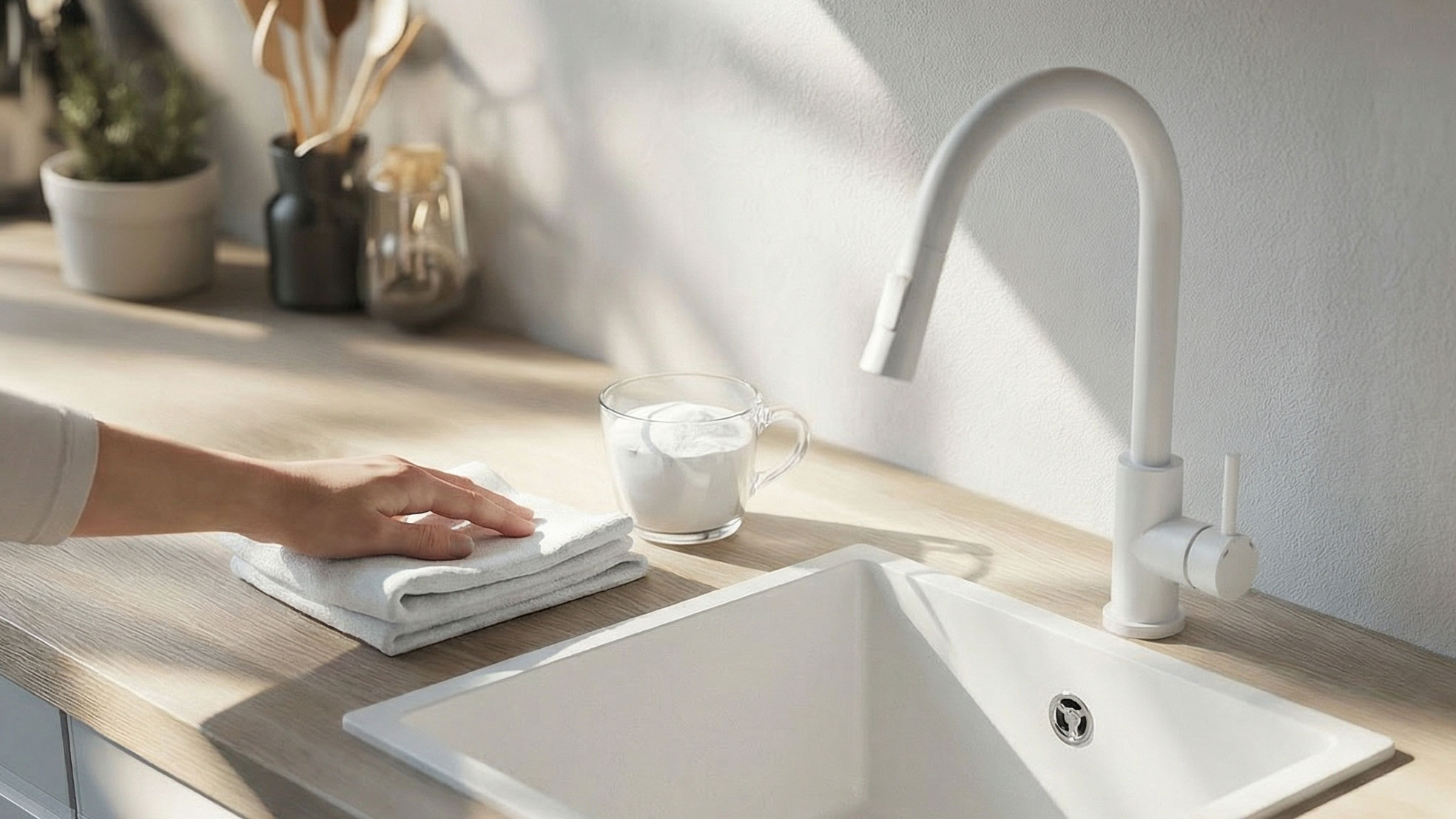
Daily and weekly care should rely entirely on natural methods. Rinse your sink after use, clean strainers regularly, wipe surfaces dry, and periodically refresh with baking soda and vinegar. These habits prevent the conditions that lead to odours and make stronger interventions unnecessary.
Monthly maintenance can include a thorough natural treatment: full baking soda and vinegar application, extended fizzing time in the drain, hot water flush, and surface polish. This deeper clean addresses any gradual buildup before it becomes problematic.
Occasional intervention with chemical cleaners is reserved for genuine problems that natural methods can't resolve. Persistent odours despite consistent natural care, slow drainage, or circumstances that have allowed significant buildup. Even then, chemical cleaners should be used in the drain only, never as surface cleaners, and always followed by thorough rinsing.
Prevention through design reduces the need for any aggressive cleaning. Sinks with smooth, seamless construction, detachable strainer baskets, and accessible overflow systems stay fresh more easily. Accessories like rinse grids and fitted colanders keep organic matter out of drains in the first place. Investing in quality design means spending less time and effort on maintenance.
Protecting Your Investment
Premium sinks represent a significant investment in your kitchen's functionality and aesthetics. The materials, finishes, and craftsmanship that make them beautiful also make them worth protecting.
Chemical cleaners, used carelessly or too frequently, can undo that investment. A single splash of caustic cleaner on a brushed gold tap can cause damage that's visible every time you use the sink. Repeated use of harsh products gradually degrades surfaces that were designed to last for decades.
Natural methods protect that investment. They clean effectively without risk, maintain surfaces rather than degrading them, and keep your kitchen looking as good as it did the day everything was installed. The few minutes spent on gentle, regular care are far less costly than premature replacement of damaged fixtures.
A kitchen should be defined by the aromas of cooking, not by odours from a neglected sink. Both natural methods and chemical cleaners have their place in maintaining that standard, but their roles are very different.
Natural methods are your everyday companions. They prevent problems, maintain freshness, and protect your materials through gentle, consistent care. Chemical cleaners are emergency tools. They solve specific problems that gentler methods can't address, but they carry risks that make routine use unwise.
Start with natural care. Build habits that prevent odours from developing in the first place. Reserve chemical intervention for situations that genuinely require it, use these products carefully when you do, and always prioritise the long-term health of your sink over short-term convenience.
With quality materials, thoughtful design, and balanced maintenance, your kitchen will stay fresh, welcoming, and beautiful for years to come.