The reality is that sink odours rarely have a single cause. They result from a combination of material quality, design decisions, and everyday habits. By separating fact from fiction, we can understand what actually causes these smells and how thoughtful craftsmanship and simple daily routines make the difference between a kitchen that smells fresh and one that doesn't.
Myth 1: Smells Always Come from Clogged Drains
This is the most persistent belief about sink odours, and it leads homeowners down expensive, ineffective paths. The assumption is simple: something is stuck in the pipes, it's rotting, and that's what you smell. Clear the clog, solve the problem.
Sometimes this is true. But far more often, odours begin long before anything reaches the drain pipes. Food particles left in strainer baskets start decomposing within hours. Residue clinging to the sink surface, especially in textured or scratched areas, harbours bacteria that produce foul-smelling gases. Overflow systems with joints and crevices trap organic matter in places you never see and can't easily clean.
By the time you're pouring drain cleaner down the pipes, you're treating the wrong location entirely. The smell isn't coming from deep in your plumbing. It's coming from surfaces and components within arm's reach, hidden in plain sight.
Premium sinks address this through design. Smooth, seamless finishes eliminate the micro-textures where bacteria establish colonies. Pressed overflow systems without joints remove hidden accumulation zones. The result is a sink where odours genuinely can't take hold because there's nowhere for the organic matter and bacteria to hide.
Myth 2: Stainless Steel Develops Odours Over Time
Some homeowners believe that stainless steel sinks inevitably start smelling as they age. They've experienced it themselves or heard it from others, and they assume it's simply what happens with the material.
The truth is more nuanced. Premium stainless steel is inherently resistant to bacterial colonisation. When manufactured with quality alloys and polished to a smooth finish, it provides one of the most hygienic surfaces available for kitchen use. Bacteria can't penetrate the material, odours can't absorb into it, and proper cleaning removes residue completely.
What does happen with cheap stainless steel is different. Lower-grade alloys corrode more easily, creating pitted surfaces where bacteria thrive. Thin gauge steel scratches readily, and those scratches become bacterial highways. Poor finishing leaves micro-texture that traps organic matter. Over time, these budget sinks do develop persistent odours, not because stainless steel smells, but because poor quality stainless steel degrades in ways that promote bacterial growth.
The material itself isn't the problem. The quality of the material is. Premium European-made stainless steel maintains its hygienic properties for decades with basic care. It never develops that distinctive "old sink smell" because the surface never deteriorates enough to harbour the bacteria that cause it.
Myth 3: Odours Mean You're Not Cleaning Properly
This myth causes unnecessary guilt. Homeowners who experience persistent sink odours often blame themselves, assuming they're somehow failing at basic hygiene. They scrub harder, clean more frequently, use stronger products, and still the smell returns.
Cleaning matters, absolutely. But if a sink isn't designed with hygiene in mind, even the most diligent cleaning routine will struggle. Sharp internal corners create zones that sponges can't reach effectively. Assembled overflow systems have joints where residue accumulates regardless of how thoroughly you clean the visible surfaces. Rough or textured finishes hold onto organic matter despite vigorous scrubbing.
The problem isn't effort. It's geometry. You can't clean what you can't reach, and you can't remove bacteria from surfaces designed to harbour them.
Well-designed sinks make cleaning effortless and effective. Rounded bowl corners allow sponges to sweep smoothly across every surface. Detachable strainer baskets expose all components for thorough cleaning. Seamless overflow channels have nowhere for residue to hide. With the right design, maintaining freshness becomes a simple daily habit rather than an exhausting battle.
Myth 4: Granite and Stone Sinks Trap Smells
Natural stone and composite sinks have a reputation for absorbing odours and food particles. Homeowners worry that the material itself will become saturated with smells over time, impossible to clean no matter what they try.
This concern has some basis in reality, but only for cheap, porous materials. Budget composite sinks made with inferior binders and loose particle structures can indeed absorb liquids, stains, and odours. The surface acts like a sponge at a microscopic level, drawing in whatever contacts it.
Premium granite composite is engineered completely differently. High-quality stone particles bound with advanced resins create a dense, non-porous surface that resists absorption entirely. Liquids bead on the surface rather than penetrating it. Stains wipe away rather than setting in. Odours have no way to enter the material because the material has no pathways for them to follow.
The distinction matters enormously. A budget composite sink and a premium granite sink might look similar in a showroom, but their long-term behaviour differs dramatically. Investing in quality means investing in a surface that stays fresh and hygienic for the life of the sink, not one that gradually absorbs the kitchen's less pleasant elements.
Myth 5: Drain Cleaners Are the Best Solution
When odours appear, reaching for chemical drain cleaner feels logical. These products promise to dissolve organic buildup and eliminate smells. Sometimes they deliver temporary relief. But as a long-term solution, they fail for several reasons.
First, they treat the wrong location. As discussed earlier, most sink odours don't originate deep in the drain pipes. Pouring caustic chemicals down the drain does nothing for bacteria growing on your strainer basket or residue in your overflow system.
Second, they cause damage. Chemical drain cleaners are harsh by design. They corrode pipe materials, degrade seals and gaskets, and can damage sink finishes if they splash or pool. Each use weakens your plumbing system slightly, creating future problems while failing to solve the present one.
Third, they're treating symptoms rather than causes. Even when drain cleaners temporarily reduce odours, they do nothing to prevent recurrence. Without addressing why organic matter accumulates and why bacteria thrive, you're committed to repeated treatments indefinitely.
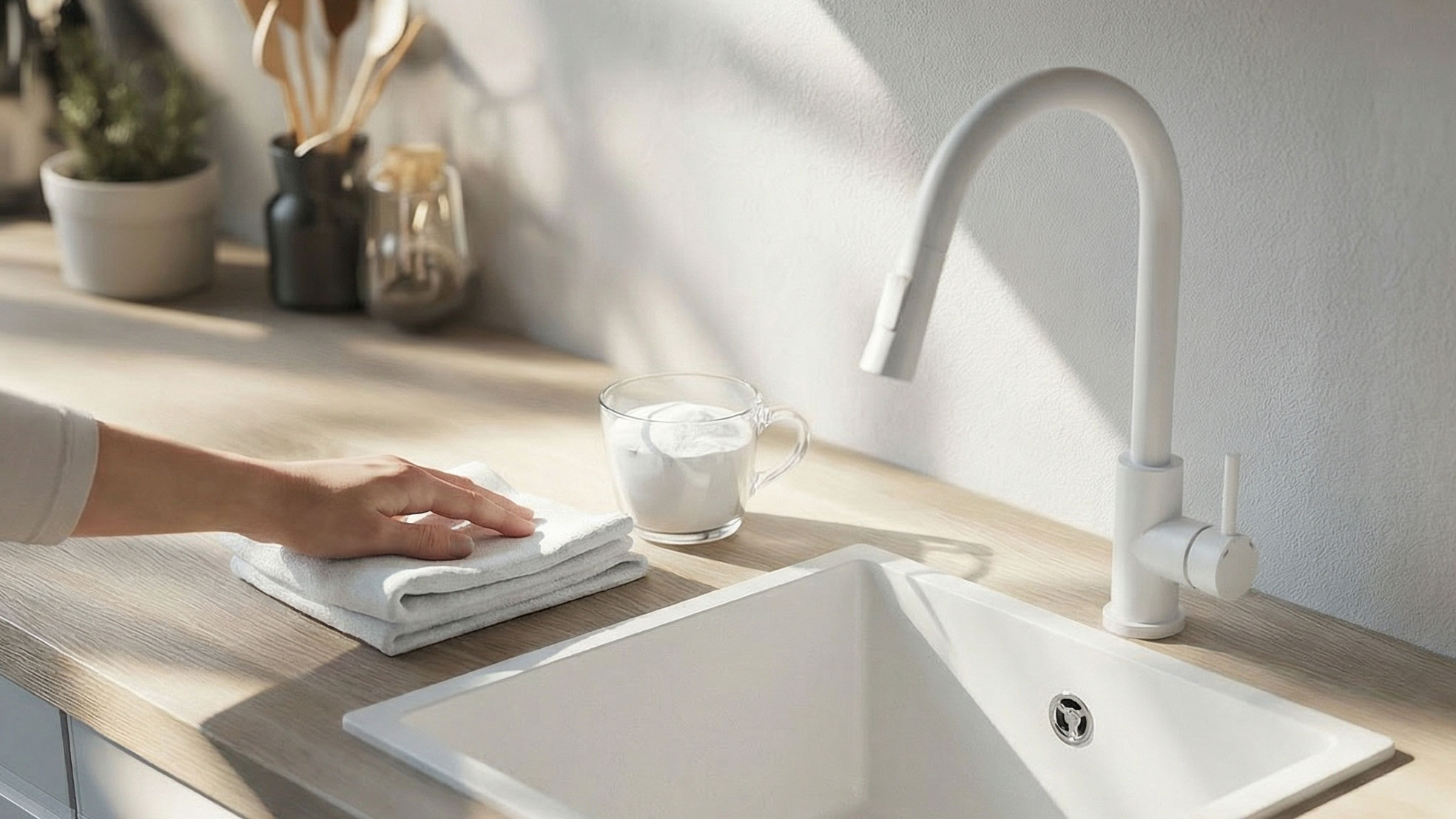
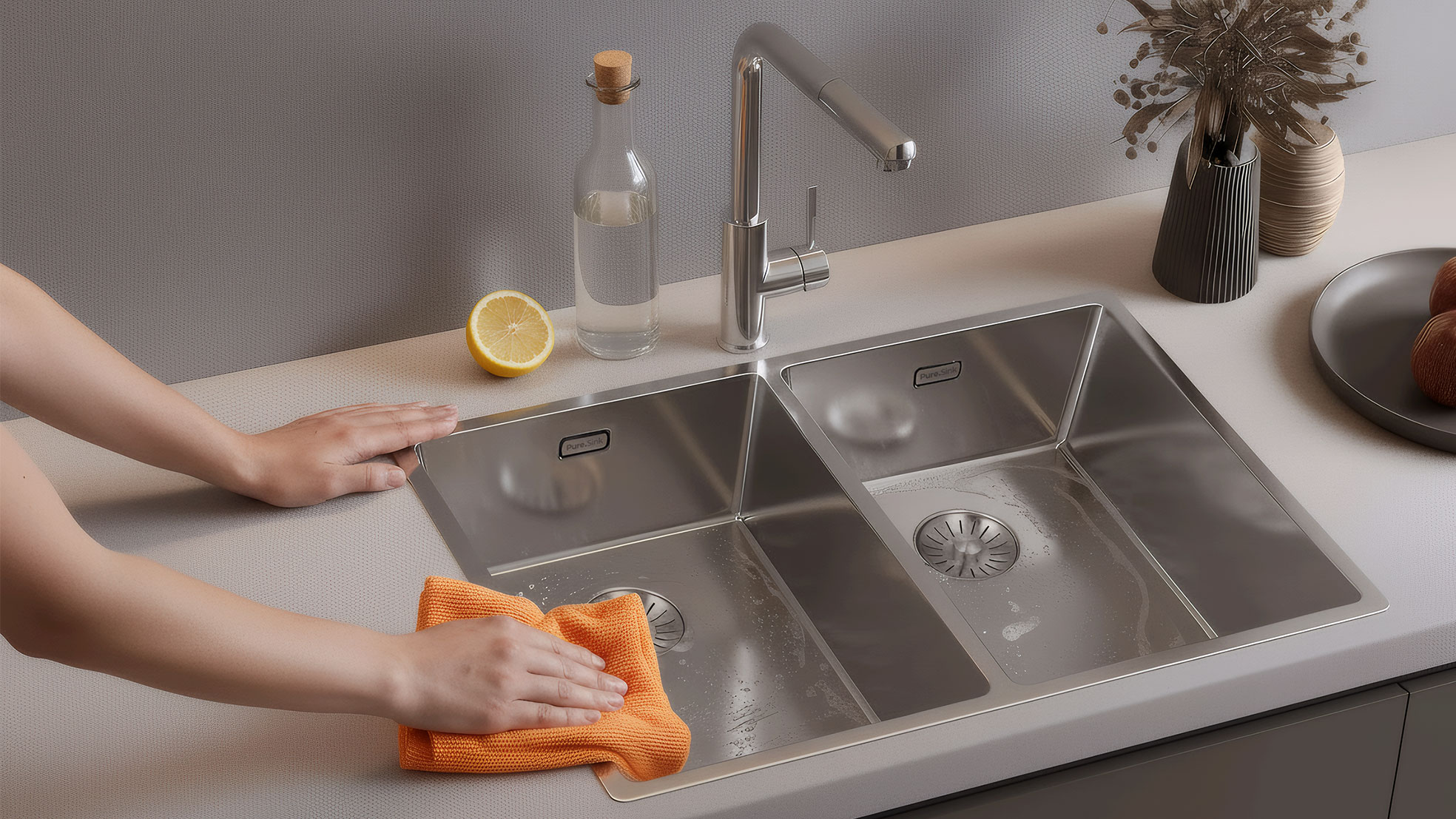
Natural alternatives work better and cause no damage. Boiling water melts grease deposits and flushes residue through the system. White vinegar kills odour-causing bacteria and dissolves mineral buildup. Citrus peels leave fresh scents while their natural oils cut through grease. Baking soda absorbs odours and provides gentle abrasion for surface cleaning.
These methods are gentler, safer, and more effective when combined with a sink designed to prevent accumulation in the first place. You're working with your plumbing rather than attacking it.
What Actually Causes Sink Smells
Strip away the myths and the real causes become clear. Sink odours develop when organic matter accumulates in areas with poor water flow, when surfaces support bacterial growth, and when design flaws create zones that can't be effectively cleaned.
Design flaws are the foundation of most odour problems. Sharp corners where debris collects. Assembled components with joints that trap residue. Textured surfaces that harbour bacteria. Overflow systems that can't be cleaned. Each of these creates conditions where odours become inevitable regardless of cleaning effort.
Material quality determines whether surfaces resist bacterial colonisation or promote it. Premium materials with smooth, non-porous finishes give bacteria nothing to grip. Budget materials with rough textures, porous structures, or corrosion-prone alloys become bacterial breeding grounds over time.
Neglected accessories contribute significantly. Strainer baskets left unemptied for days. Rinse grids never removed for cleaning underneath. Overflow openings ignored because they're out of sight. These components contact food waste daily, and without regular attention, they become primary odour sources.
Daily habits either prevent or enable these problems. Rinsing thoroughly after food preparation, emptying strainers promptly, wiping surfaces dry, running hot water through drains. These simple practices take seconds but eliminate the conditions odour-causing bacteria need to establish themselves.
The solution isn't more aggressive cleaning or stronger chemicals. It's choosing sinks designed with hygiene as a priority, maintaining them with consistent simple habits, and understanding that freshness comes from preventing problems rather than treating them.
The Quality Difference
There's a reason premium sinks cost more than budget alternatives, and it's not just aesthetics. The engineering that goes into a quality sink addresses exactly these odour-causing factors.
Seamless pressing eliminates joints where residue accumulates. Smooth polishing removes micro-textures that harbour bacteria. Premium alloys resist corrosion and maintain their hygienic surfaces for decades. Thoughtful geometry makes cleaning effortless and complete. Dense, non-porous composites prevent absorption entirely.
These aren't luxury features. They're functional decisions that determine whether your sink stays fresh with minimal effort or develops persistent odours despite constant attention. The price difference between a budget sink and a premium one is insignificant compared to the years of frustration, wasted cleaning products, and eventual replacement that poor quality guarantees.
Sink odours are not an inevitable part of kitchen life. They're preventable through smart design choices, quality materials, and simple daily habits. The myths persist because they offer easy explanations and sell drain cleaning products, but they don't solve the actual problem.
Understanding the real causes of sink smells empowers you to address them effectively. Choose sinks engineered with hygiene in mind. Invest in materials that resist bacterial growth rather than promoting it. Maintain simple daily practices that prevent organic accumulation. Skip the harsh chemicals in favour of gentle, effective natural methods.
When you make these choices, your kitchen smells exactly as it should: like the food you're cooking, not like something rotting in the drain. That's not wishful thinking. It's the predictable result of quality craftsmanship meeting thoughtful maintenance.