
The good news? Because white sinks are made of sturdy materials, stains don't have to be permanent with the correct maintenance and habits. There are easy ways to maintain the pristine appearance of your sink for many years to come, regardless of whether it is made of ceramic, granite, quartz, bio composite, or fiber.
Why White Sinks Stain
When pigments from liquids, such as wine or coffee, attach to microscopic scratches, pores, or residues left on the sink surface, stains are created. Although some materials are more resistant to this than others, if spills are not promptly cleaned up, even the strongest composites may display marks for a short time.
Preventing stains before they set and knowing how to safely remove them once they do are crucial.
Prevention: Daily Habits for a Spotless White Sink
-
Rinse after use: Quickly rinsing tea, coffee, or wine before it dries prevents pigments from settling.
-
Wipe dry: Use a soft cloth after rinsing to stop minerals and pigments from leaving faint shadows.
-
Avoid standing residue: Don’t leave mugs, pans, or cutting boards with coffee or wine traces sitting in the sink.
-
Use fitted accessories: Sink grids and colanders keep cookware slightly elevated, reducing direct contact with the base.

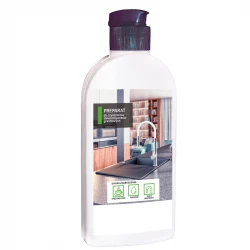
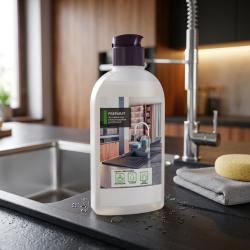

These habits are the foundation for keeping every material (ceramic, granite, quartz, bio composite, or fiber) free from stains.
Removal: Safe Cleaning by Material
Ceramic
The glossy glaze of ceramic sinks is resistant to most stains. Warm water and mild dish soap work well for common stains. Sprinkle baking soda on tough stains, add a little vinegar, and let the fizz lift the pigments before washing. Steer clear of harsh abrasives as they may dull the glaze.
Granite Composite
Although granite sinks are dense and impermeable, if they are not treated, their matte finish may reveal more pronounced stains. Warm water and a mild detergent usually work. Brightness can be restored for deeper marks using a soft sponge and a paste made of baking soda and water. Steer clear of bleach as it can harm resin.
Quartz
Quartz is a stain-resistant material, but if you ignore the tannins in tea or wine, they can leave subtle shadows. The best cleaners are mild ones with a pH-balanced composition. Sometimes stubborn marks can be removed with a diluted vinegar rinse, which should be thoroughly dried to avoid water stains.



Bio Composite Fiber
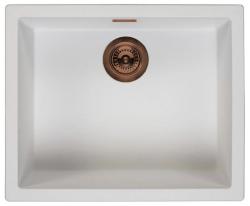
Although eco-friendly bio composite sinks are designed to last, they need to be gently cared for to keep their uniform color. Usually, a solution of water and mild soap is sufficient. Use non-abrasive cream cleaners designed for composites to remove stubborn stains. To preserve the surface finish, always rinse well.
Fiber
Although fiber sinks are strong and lightweight, lighter finishes are more prone to discoloration. Stains can be removed by gently applying a paste made from baking soda. Steer clear of scouring pads and steel wool, which can scratch the surface and increase the likelihood of future stains.
General Natural Remedies
If you prefer natural cleaning:
-
Baking soda + vinegar for mild stains
-
Lemon juice + salt for brightening
-
Boiling water flush for loosening residue in drains and overflows
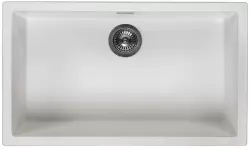


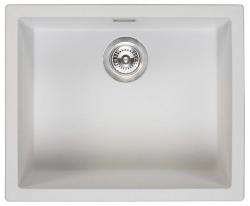

These are safe for all materials when used sparingly and rinsed well.
White sinks just show off more of life's small imperfections; they are not delicate. Tea, coffee, and wine stains are completely avoidable with the correct daily routines and safe cleaning techniques.
Whether your sink is made of ceramic, granite, quartz, bio composite, or fiber, keeping it bright requires a delicate balance between stain removal with careful handling and prevention for everyday use. The outcome? A sink that remains as inspiring and new as the kitchen to which it belongs.
We take pride in designing sinks that blend style, functionality, and longevity. Your white sink will continue to be a classic focal point for many years to come with the correct selections and maintenance.